About Rubber Curing Machine
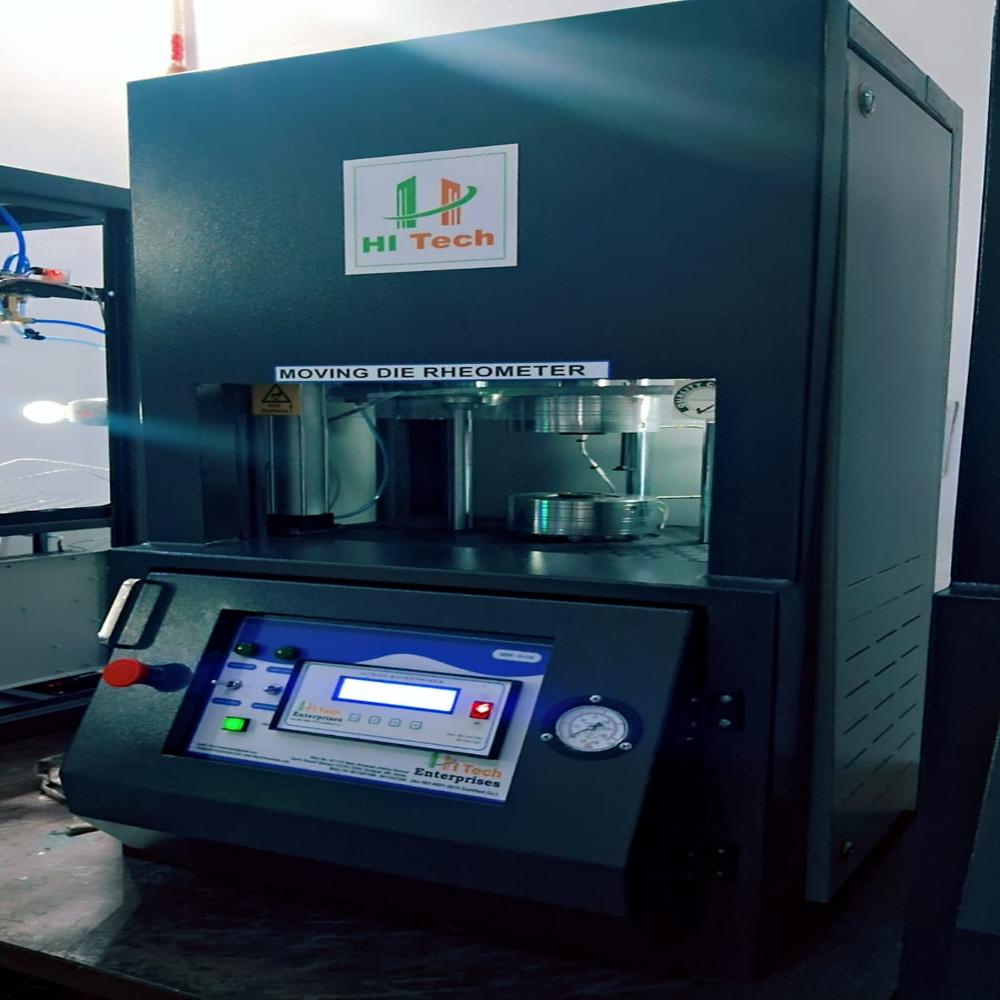
A rubber curing (or vulcanizing) machine is an industrial device that applies controlled heat and pressure to raw rubber products to trigger a chemical cross-linking reaction. This process, known as vulcanization, transforms soft, tacky, and weak rubber into a durable, highly elastic, and temperature-resistant material
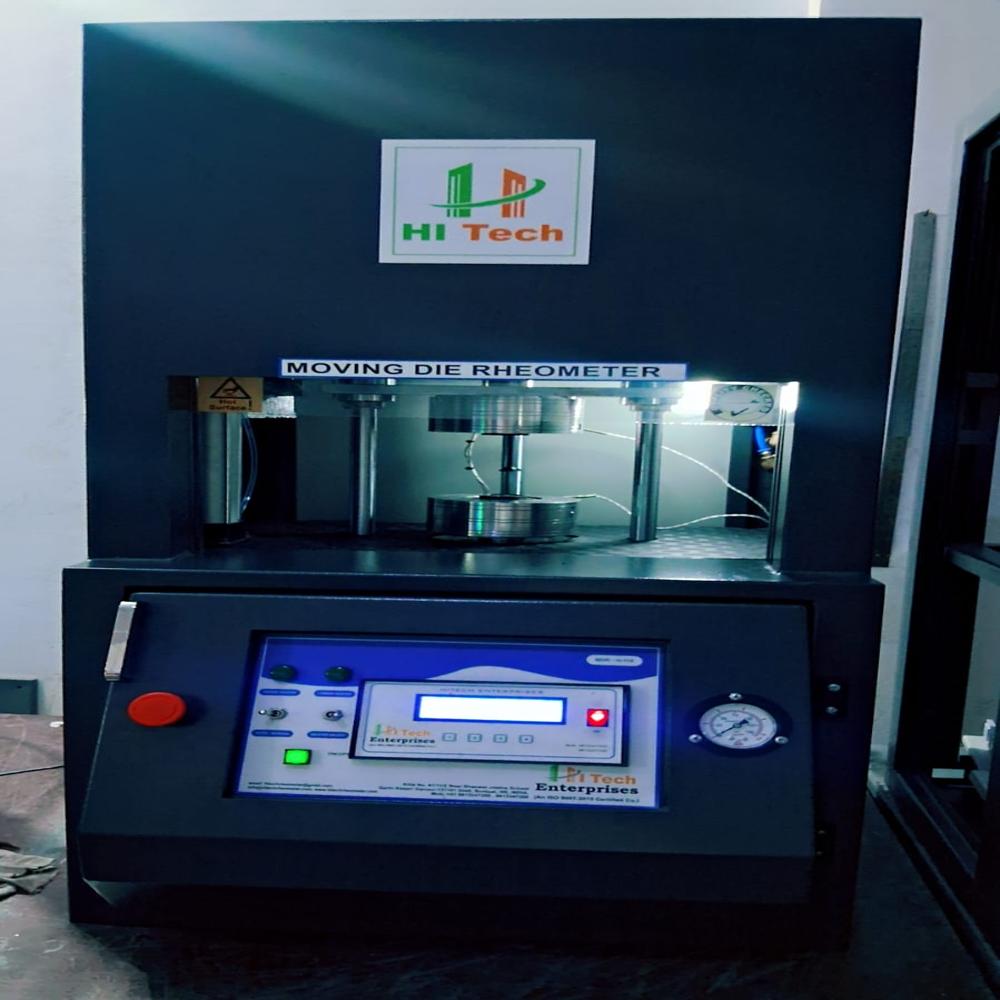
Precision Vulcanization MeasurementThis Rubber Curing Machine enables highly accurate determination of rubber curing curves according to ASTM D5289. Its advanced microprocessor/PLC control and instant response ensure precise and repeatable results. The robust heating system and efficient air-cooling housing maintain stable operating conditions, guaranteeing consistent test outcomes during each use.
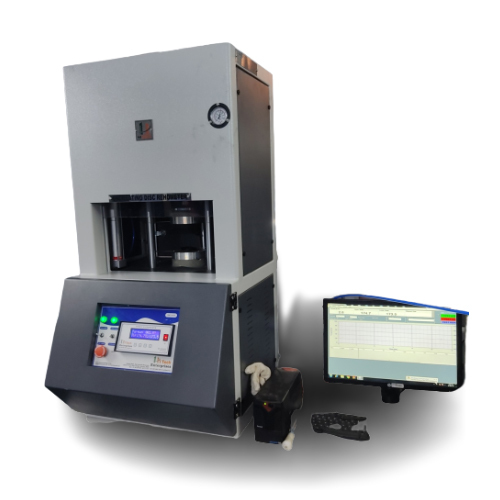
User-Friendly Digital Control and Data ManagementEquipped with a digital LCD display, automatic calibration, and an intuitive interface, the machine simplifies the user experience. Essential features such as on-board storage for over 1000 test results and USB/RS232 connectivity allow seamless data management-ideal for laboratory documentation or process optimization.
Enhanced Safety and DurabilityOperator protection is prioritized with an emergency stop button, circuit breaker protection, and overheat safeguards. The hard chrome-plated steel die, combined with the bench-top design and sturdy construction, ensures long-term reliability even in demanding quality control environments.
FAQ's of Rubber Curing Machine:
Q: How does the closed die heating system with PID control benefit the curing process?
A: The closed die heating system with PID control ensures precise and uniform temperature distribution within the die, allowing for accurate and repeatable vulcanization tests. This system minimizes temperature fluctuations, leading to more reliable data when measuring the curing characteristics of rubber compounds.
Q: What kind of data storage and output options does this machine offer?
A: The machine comes with on-board memory capable of storing over 1000 individual test results, supporting efficient tracking and documentation. You can easily export test data via RS232 or USB connectivity, ensuring integration with laboratory information systems or for detailed analysis.
Q: When should you use the manual override operation mode?
A: The manual override function is recommended for troubleshooting, maintenance, or when custom testing conditions are required that may differ from the preset automatic program. This provides flexibility while maintaining operator control over the test process.
Q: Where is this Rubber Curing Machine typically used?
A: This equipment is designed for laboratory and quality control applications in the rubber industry. It is ideal for research institutions, production facilities, and quality labs requiring precise measurement of vulcanization properties as per ASTM D5289 standard.
Q: What is the process for testing a rubber specimen using this machine?
A: To test a specimen, place the cylindrical rubber sample within the closed die chamber. Set the desired parameters on the digital LCD panel, initiate the test, and the machine will automatically heat, pressurize, and measure the torque development through the microprocessor/PLC control. Results are displayed instantly and stored on-board for later review.
Q: How does the machine ensure safety during operation?
A: Operator safety is enhanced via features like emergency stop, circuit breaker protection, and an overheat protection system. These controls provide immediate shutdown in case of irregularities, safeguarding both the operator and the equipment during use.
Q: What are the main benefits of using this Moving Die Rheometer for rubber testing?
A: The primary benefits include precise and rapid assessment of rubber curing behaviors, high data accuracy (0.1 Nm), efficient data management, and robust safety features. Its capacity for up to 100 tests per day improves laboratory throughput, making it ideal for routine quality control and research applications.






 Send Inquiry